How to Become a Wind Turbine Technician: Education, Training, Salary, and Career Outlook
Published: 17 Nov 2026
The renewable energy industry is creating new opportunities for people interested in technical and hands-on careers. As the demand for clean electricity continues to grow, wind energy has become an important part of the energy industry. One profession benefiting from this development is the wind turbine technician.
If you enjoy working with machines, solving technical problems, and learning how electrical and mechanical systems operate, this career may be worth exploring. Wind turbine technicians help install, inspect, maintain, and repair the equipment that converts wind into electricity.
However, becoming a wind turbine technician requires more than an interest in renewable energy. You need the right education, technical training, safety knowledge, and practical skills to perform the job effectively.

In this guide, you will learn how to become a wind turbine technician, what qualifications employers typically expect, how much technicians earn, and what career opportunities may be available in the United States.
What Does a Wind Turbine Technician Do?
A wind turbine technician, also known as a windtech or wind turbine service technician, maintains and repairs wind turbines that generate electricity.
Wind turbines contain several important components, including a tower, blades, and a structure called a nacelle. The nacelle sits near the top of the tower and houses important mechanical and electrical equipment used to generate electricity.
Technicians inspect these components, identify problems, and perform maintenance to keep turbines operating safely and efficiently.
Daily Responsibilities of a Wind Turbine Technician
Although responsibilities can vary depending on the employer and work location, common duties include:
- Inspecting wind turbines: Examining turbine towers, blades, and other components for damage or signs of wear.
- Performing routine maintenance: Lubricating moving parts, checking connections, and replacing worn components.
- Repairing electrical systems: Troubleshooting electrical equipment and identifying faults.
- Maintaining mechanical systems: Checking gears, brakes, hydraulic systems, and other mechanical components.
- Diagnosing technical problems: Using specialized tools and computer systems to identify equipment malfunctions.
- Collecting operational data: Recording maintenance activities and monitoring turbine performance.
- Following safety procedures: Using protective equipment and approved climbing and rescue techniques.
Some technicians also help install new turbines or maintain equipment at wind farm substations.
The specific duties depend on the company, turbine technology, and experience level.
Why Choose a Career as a Wind Turbine Technician?
Choosing a career involves considering job opportunities, earning potential, working conditions, and long-term professional development.
A career as a wind turbine technician may appeal to people who prefer hands-on technical work over spending their entire day in an office.
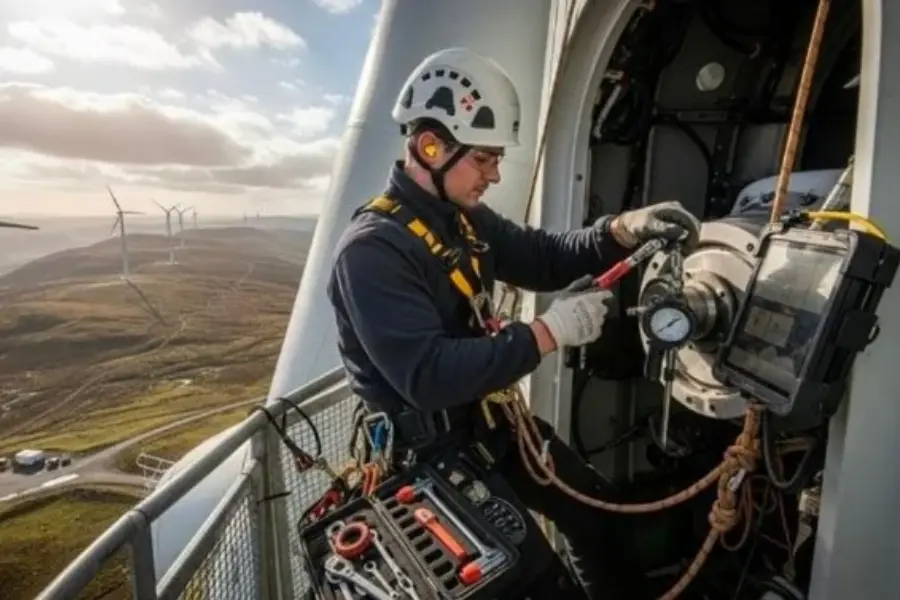
Here are some reasons people consider entering this profession.
Growing Renewable Energy Industry
Wind power is an important source of renewable electricity in the United States. Wind turbines require regular inspections, maintenance, and repairs to continue operating properly.
As more wind energy equipment is installed and existing systems require maintenance, qualified technicians will continue to play an important role.
Opportunities for Technical Development
This profession allows workers to develop valuable skills in electrical systems, mechanical maintenance, hydraulics, troubleshooting, and industrial safety.
These abilities can also be useful in other technical occupations.
Hands-On Work Environment
Wind turbine technicians spend much of their working time inspecting equipment, repairing machinery, and solving practical problems.
People who enjoy understanding how machines work may find this type of work rewarding.
Opportunities for Career Advancement
With additional experience and training, technicians may qualify for more advanced positions, including:
- Senior Wind Turbine Technician
- Wind Farm Maintenance Supervisor
- Field Service Technician
- Wind Energy Operations Manager
Career progression depends on experience, qualifications, employer requirements, and available positions.
Educational Requirements for Wind Turbine Technicians
One of the first steps toward becoming a wind turbine technician is obtaining the appropriate education.
Unlike some professional careers, this occupation generally does not require a four-year bachelor’s degree. However, employers typically look for candidates who have completed relevant technical education and practical training.
High School Diploma or Equivalent
A high school diploma or GED is a useful starting point for entering this profession.
Students should pay particular attention to subjects such as:
- Mathematics
- Physics
- Computer science
- Basic electrical concepts
- Mechanical technology
These subjects provide a foundation for understanding the technical systems used in wind turbines.
Wind Energy Technology Programs
Many aspiring technicians attend technical schools or community colleges that offer wind energy technology programs.
These programs may provide instruction in:
- Electrical systems
- Mechanical maintenance
- Hydraulic equipment
- Industrial safety
- Programmable logic controllers
- Turbine maintenance
- Tower climbing and rescue procedures
Some educational institutions also provide access to training turbines, allowing students to develop practical experience before entering the workforce.
Certificate Programs and Associate Degrees
Students may choose between different educational pathways.
Certificate programs generally focus on specific technical skills required for entry-level employment.
An associate degree may provide broader technical education and additional coursework in electrical, mechanical, or renewable energy systems.
The right option depends on your career goals, available programs, and employers’ requirements.
Step-by-Step: How to Become a Wind Turbine Technician
If you want to enter this profession, following a structured plan can make the process easier.
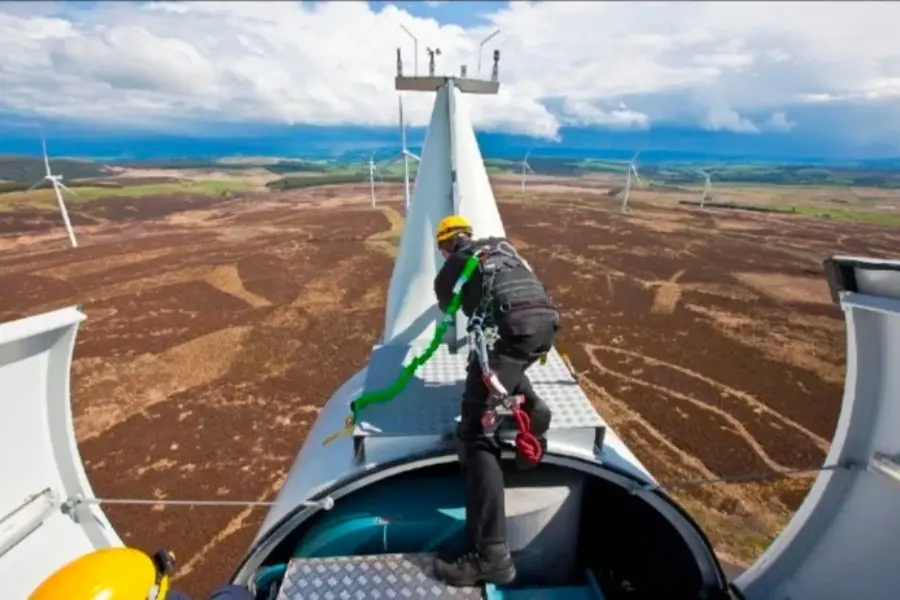
Here are six important steps to consider.
Step 1: Complete Your High School Education
Start by earning a high school diploma or GED.
Focus on mathematics, science, and technical subjects because they can help you understand electrical and mechanical systems.
Developing basic computer skills is also useful because modern turbines use electronic monitoring and diagnostic equipment.
Step 2: Enroll in a Wind Energy Technology Program
Look for an accredited or recognized wind energy technology training program at a technical school or community college.
Compare programs based on curriculum, practical training opportunities, facilities, and employer relationships.
A relevant program can help you understand how turbines operate and how technicians maintain their equipment.
Step 3: Develop Electrical and Mechanical Skills
Wind turbine technicians work with complicated systems that require a combination of technical abilities.
Develop your understanding of:
- Electrical circuits
- Motors and generators
- Mechanical components
- Hydraulic systems
- Basic electronics
- Industrial tools
- Equipment troubleshooting
These skills can make it easier to understand maintenance procedures and diagnose problems.
Step 4: Complete Hands-On Training
Practical experience is an important part of preparing for this career.
Look for programs that include supervised training with electrical equipment, mechanical components, and turbine-related systems.
Some educational programs also offer climbing practice and safety instruction.
After employment, technicians generally receive additional on-the-job training from experienced workers or equipment manufacturers.
Step 5: Gain Relevant Safety Certifications
Working on wind turbines involves physical risks, particularly when climbing towers or working with electrical equipment.
Depending on the employer and position, relevant training may include:
- Tower climbing training
- Fall protection
- Electrical safety
- First aid and CPR
- Rescue and emergency response
Some employers may also require training based on specific turbine manufacturers or workplace procedures.
Certifications are not all universally mandatory. Always check the employer’s requirements and the relevant training provider’s requirements.
Step 6: Apply for Entry-Level Positions
Once you complete your education and relevant training, start looking for entry-level opportunities.
Search for positions such as:
- Wind Turbine Technician Trainee
- Junior Wind Technician
- Wind Farm Maintenance Technician
- Wind Energy Service Technician
Prepare a professional resume that highlights your technical education, practical experience, safety knowledge, and mechanical abilities.
Explore openings through company career pages and employment websites such as Indeed and LinkedIn.
Essential Skills Every Wind Turbine Technician Needs
Technical education matters, but successful technicians also need practical and personal skills.
Employers often look for candidates who can work safely, communicate clearly, and solve technical problems.
Mechanical Skills
Mechanical knowledge is essential because technicians regularly inspect and repair moving components.
Understanding gears, bearings, brakes, and mechanical connections can help technicians identify equipment problems.
Electrical Knowledge
Wind turbines use electrical systems to generate and transmit electricity.
Technicians should understand basic electrical circuits, wiring, generators, and electrical troubleshooting procedures.
Problem-Solving Abilities
Equipment problems do not always have obvious causes.
Technicians need to analyze symptoms, examine equipment, and determine the most appropriate repair procedure.
Physical Stamina
This profession can be physically demanding.
Technicians may need to climb tall towers, carry tools, work in confined spaces, and perform maintenance tasks for extended periods.
Communication Skills
Wind turbine maintenance often involves teamwork.
Technicians may work with engineers, electricians, supervisors, and other maintenance professionals. Clear communication helps teams coordinate tasks and follow safety procedures.
Attention to Detail
Small maintenance problems can become larger equipment failures if they are overlooked.
Careful inspections, accurate records, and following maintenance instructions are important parts of the job.
Certifications and Training for Wind Turbine Technicians
Professional training and safety certifications can show that a technician understands key workplace procedures.
Although certification requirements vary, several training areas are particularly relevant to this occupation.
Tower Climbing and Rescue Training
Technicians often need to climb tall turbine towers to reach equipment inside the nacelle.
Tower climbing and rescue training teaches workers how to use climbing equipment, follow safety procedures, and respond to emergencies.
Electrical Safety Training
Technicians may work around electrical components and equipment that can present serious hazards.
Electrical safety training helps workers understand electrical risks, isolation procedures, and safe maintenance practices.
First Aid and CPR
Basic emergency response knowledge can be valuable when working at remote wind farms.
Some employers require or provide first aid and CPR training as part of their workplace safety programs.
Manufacturer-Specific Training
Different turbine manufacturers use different equipment, software, and maintenance procedures.
Employers may provide specialized training so technicians can safely inspect and repair the particular turbine models used at their facilities.
On-the-Job Training
According to the U.S. Bureau of Labor Statistics, wind turbine technicians typically receive additional on-the-job training after completing their initial education.
This training helps new employees understand actual equipment, company procedures, and maintenance responsibilities.
How Much Does a Wind Turbine Technician Make?
Salary is an important consideration when evaluating a career.
According to the U.S. Bureau of Labor Statistics (BLS), the median annual wage for wind turbine technicians was $64,120 in May 2025, or about $30.83 per hour.
However, individual earnings can vary depending on experience, location, employer, qualifications, and job responsibilities.
Salary by Experience
Technicians with different experience levels may receive different compensation.
Generally:
- Entry-level technicians may earn less while developing practical skills and completing employer training.
- Mid-level technicians may qualify for higher compensation as they gain experience with inspections, troubleshooting, and maintenance.
- Experienced technicians may earn more when they take on advanced responsibilities, specialized repairs, or supervisory duties.
The BLS does not publish a standard salary scale for each experience level, so applicants should compare actual job advertisements rather than rely on fixed experience-based estimates.
Salary by Industry
The BLS also reports differences in median annual wages across industries employing wind turbine technicians.
According to its May 2025 data:
| Industry | Median Annual Salary |
|---|---|
| Machinery and equipment repair and maintenance | $70,670 |
| Wind electric power generation | $65,000 |
| Power and communication line construction | $63,080 |
These figures represent industry-level median wages, not guaranteed salaries for individual workers.
Factors That Affect Salary
Several factors can influence how much a wind turbine technician earns.
1. Experience: Workers with more practical experience may qualify for higher-paying positions.
2. Technical qualifications: Specialized training and relevant certifications can improve employment opportunities.
3. Location: Salaries can vary between states and employment regions.
4. Employer: Different companies offer different compensation packages and benefits.
5. Job responsibilities: Specialized maintenance, troubleshooting, and supervisory duties may influence earning potential.
Before accepting a position, compare the salary, benefits, working hours, travel expectations, and training opportunities.
Wind Turbine Technician Job Outlook in the USA
The employment outlook is one of the most interesting aspects of this career.
According to the U.S. Bureau of Labor Statistics, employment of wind turbine technicians is projected to grow 30% from 2025 to 2035, which is much faster than the average projected growth for all occupations.
The BLS also projects approximately 1,500 job openings per year, on average, over this period.
This demand reflects the need to install, inspect, maintain, and repair wind energy equipment.
Demand for Renewable Energy Professionals
Wind turbines require regular maintenance throughout their operating lives.
As wind energy infrastructure develops, employers need qualified workers who understand turbine systems and can maintain equipment safely.
Employment Opportunities
Potential employment opportunities may be available with:
- Wind energy companies
- Turbine manufacturers
- Renewable energy service providers
- Equipment maintenance companies
- Wind farm operators
However, employment growth does not guarantee a job for every applicant. Candidates still need the appropriate education, training, and technical abilities.
Where Do Wind Turbine Technicians Work?
Wind turbine technicians can work in different environments depending on the employer and type of wind energy project.
Onshore Wind Farms
Onshore wind farms are located on land and may contain multiple turbines spread across large areas.
Technicians travel between turbines to perform inspections, maintenance, and repairs.
Some wind farms are located in rural areas, so workers may need to travel significant distances to reach their workplaces.
Offshore Wind Farms
Offshore wind farms are built in bodies of water, usually in coastal regions.
Working offshore may involve additional transportation, safety requirements, and specialized training.
Some technicians may need to remain away from home for several days or weeks, depending on the project and work schedule.
Renewable Energy Companies
Many technicians work directly for companies that operate or maintain wind energy facilities.
Their responsibilities may include scheduled maintenance, equipment inspections, and responding to turbine faults.
Equipment Maintenance Companies
Some technicians work for specialized maintenance contractors that provide repair and inspection services to wind farm operators.
These positions may involve traveling between different projects and working with multiple turbine models.
Challenges of Working as a Wind Turbine Technician
Although this career offers interesting opportunities, it also comes with challenges.
Understanding the working conditions before choosing this profession can help you decide whether it matches your abilities and interests.
Working at Extreme Heights
One of the biggest challenges is working high above the ground.
Wind turbine towers can exceed 200 feet in height. Technicians must use approved climbing equipment and follow strict fall-protection procedures.
People who are uncomfortable with heights may find this occupation difficult.
Physical Demands
The work may involve climbing ladders, carrying tools, lifting equipment, and working in confined spaces.
Good physical fitness and the ability to perform demanding tasks safely are important.
Weather Conditions
Technicians often work outdoors in changing weather conditions.
They may experience high winds, cold temperatures, heat, rain, and other challenging environmental conditions.
Remote Work Locations
Some wind farms are located far from major cities and residential areas.
This can involve longer commutes, travel requirements, or extended periods away from home.
Safety Responsibilities
Wind turbines contain electrical, mechanical, and hydraulic systems that require careful handling.
Technicians must follow workplace safety procedures, use appropriate protective equipment, and understand emergency response requirements.
Safety should always be a priority in this profession.
Career Advancement Opportunities
A career as a wind turbine technician does not necessarily end with an entry-level maintenance position.
With experience, additional training, and the right qualifications, technicians can pursue several professional pathways.
Senior Wind Turbine Technician
A senior wind turbine technician generally has more experience with inspections, troubleshooting, maintenance procedures, and complex repairs.
Senior technicians may also help train newer employees.
Wind Farm Maintenance Supervisor
A maintenance supervisor may coordinate maintenance schedules, assign work, monitor safety procedures, and support maintenance teams.
This position usually requires relevant technical experience and leadership abilities.
Field Service Technician
A field service technician may travel to different wind farms to inspect, diagnose, and repair turbine equipment.
This role can involve working with specialized equipment and supporting multiple customers or facilities.
Wind Energy Operations Manager
An operations manager may oversee wind farm operations, maintenance planning, workforce coordination, and equipment performance.
This position generally requires substantial industry experience and management skills.
Additional education and professional development may help technicians qualify for advanced opportunities.
Is Becoming a Wind Turbine Technician Worth It?
Whether becoming a wind turbine technician is worthwhile depends on your interests, abilities, and career expectations.
For people who enjoy technical work, machinery, renewable energy, and practical problem-solving, this occupation may offer an interesting professional path.
Career Advantages
Some potential advantages include:
- Opportunities in the renewable energy industry.
- A career focused on practical technical skills.
- Opportunities to develop electrical and mechanical expertise.
- Potential for professional advancement.
- Work that contributes to electricity generation from renewable sources.
Potential Disadvantages
There are also some disadvantages to consider:
- Working at significant heights.
- Physically demanding responsibilities.
- Exposure to challenging weather conditions.
- Travel to remote work locations.
- Strict safety requirements.
- Possible evening or weekend work.
Who Should Consider This Career?
This profession may be suitable for people who:
- Enjoy working with machines and electrical equipment.
- Have an interest in renewable energy.
- Prefer hands-on technical responsibilities.
- Can follow detailed safety procedures.
- Are comfortable working at heights.
- Enjoy solving practical problems.
Before enrolling in a training program, research local employment opportunities and speak with experienced professionals whenever possible.
FAQs
Here are some common questions about becoming a wind turbine technician.
The time required depends on the educational program and employer training requirements.
- Many aspiring technicians complete a technical certificate or associate degree before entering the workforce.
- Some Department of Energy career information describes a two-year technical program followed by employer-provided training, which may last more than 12 months.
Overall, becoming a qualified wind turbine technician can take several years, depending on the training pathway.
A four-year bachelor’s degree is generally not required to enter this profession.
- Many technicians complete a postsecondary certificate or technical program in wind energy technology.
- Some choose an associate degree to develop broader electrical and mechanical knowledge.
A technical certificate or associate degree can provide a useful foundation for this career.
This career may be a good fit for people interested in mechanical systems, electrical equipment, renewable energy, and hands-on work.
- The BLS projects 30% employment growth from 2025 to 2035, indicating strong growth for this occupation.
- The profession offers opportunities to work with renewable energy technology and develop specialized technical skills.
- However, applicants should consider the physical demands and safety requirements before choosing this profession.
Overall, this career can be rewarding for people who enjoy technical work and are comfortable working at heights.
Entry-level salaries vary by employer, location, education, and experience.
- The BLS reported a median annual wage of $64,120 in May 2025 for the occupation overall.
- This figure represents the median wage for all experience levels, not an entry-level salary.
- Beginners should check individual job listings to understand starting pay in their area.
With additional experience and technical skills, wind turbine technicians may qualify for better-paying opportunities.
The occupation involves several workplace hazards, including working at heights, electrical equipment, moving machinery, and challenging weather conditions.
- Employers use safety procedures and protective equipment to help reduce workplace risks.
- Technicians receive specialized training to handle equipment and perform maintenance safely.
- Workers must follow all applicable safety requirements when performing their duties.
Although the job involves risks, proper training and safety practices help technicians work more safely.
Yes, it may be possible to enter the profession without previous wind turbine work experience.
- Relevant technical education can help candidates qualify for trainee or entry-level positions.
- Practical training and safety qualifications can strengthen an application.
- Employers generally provide additional training after hiring.
Starting with a technical program or entry-level position can help you build the experience needed for this career.
The qualifications depend on the employer and the specific position, but most candidates need a combination of education, technical knowledge, and safety training.
- A high school diploma or equivalent is generally required.
- Relevant technical education in wind energy, electrical systems, or mechanical technology is beneficial.
- Basic mechanical and electrical knowledge is important.
- Appropriate workplace safety training is also necessary.
Meeting these qualifications can improve your chances of finding a wind turbine technician position.
These answers provide a helpful starting point for understanding the education, training, salary, and career opportunities available to aspiring wind turbine technicians.
Final Thoughts
Becoming a wind turbine technician can be an interesting career choice for people who enjoy technical work and want to contribute to the renewable energy industry.
The journey generally begins with a high school education, followed by technical training in wind energy technology or related electrical and mechanical subjects. Practical experience, safety knowledge, and continued professional development are also important.
According to the U.S. Bureau of Labor Statistics, the occupation has a median annual wage of $64,120 (May 2025 data) and projected employment growth of 30% between 2025 and 2035.
Although the profession involves physical challenges and strict safety responsibilities, it can provide opportunities to develop valuable technical skills and pursue long-term career growth.
If you enjoy working with machines, solving problems, and learning about renewable energy systems, exploring a career as a wind turbine technician may be a worthwhile next step.
References and Further Reading
For additional information about education, salary, training, and employment opportunities, consult these official resources:
- U.S. Bureau of Labor Statistics – Wind Turbine Technicians
- U.S. Department of Energy – Career Map: Wind Technician
- U.S. Department of Energy – Wind Career Map
- U.S. Bureau of Labor Statistics – Employment Projections




- Be Respectful
- Stay Relevant
- Stay Positive
- True Feedback
- Encourage Discussion
- Avoid Spamming
- No Fake News
- Don't Copy-Paste
- No Personal Attacks
- Be Respectful
- Stay Relevant
- Stay Positive
- True Feedback
- Encourage Discussion
- Avoid Spamming
- No Fake News
- Don't Copy-Paste
- No Personal Attacks
