Exploring Career Growth Opportunities in Modern Public Education
Published: 5 Oct 2026
Modern public education is evolving rapidly as technology, changing student needs, and new teaching approaches reshape the learning environment. These changes are creating exciting career growth opportunities for teachers, school administrators, education specialists, and aspiring professionals who want to make a meaningful difference in students’ lives.
For individuals considering a career in education, the opportunities extend far beyond traditional classroom teaching. From educational technology and curriculum development to school leadership and student support services, today’s public education system offers multiple pathways for professional advancement.
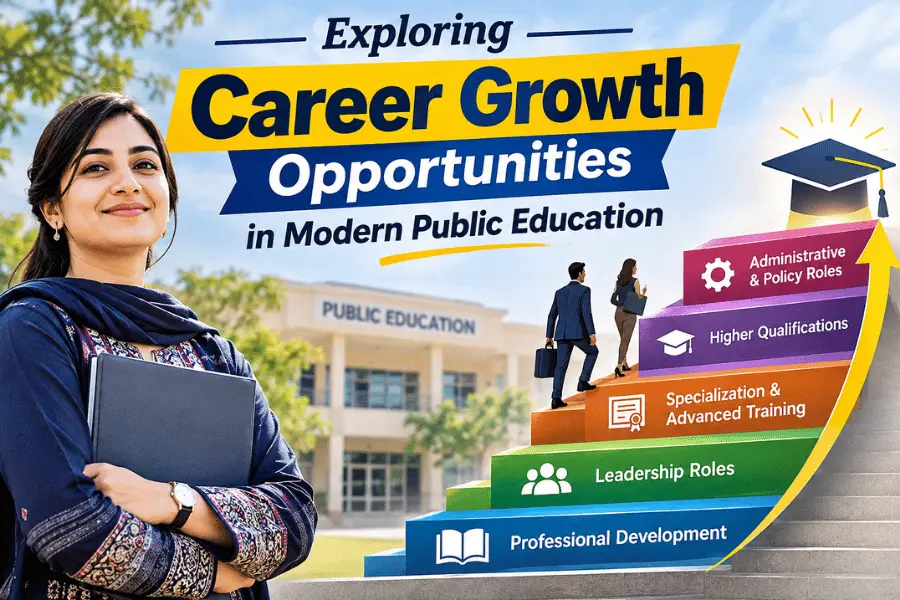
Understanding these opportunities can help education professionals make informed career decisions, develop valuable skills, and build rewarding long-term careers.
The Changing Landscape of Public Education
Public education plays a vital role in developing future generations and supporting communities. However, modern schools face new challenges, including digital transformation, diverse learning needs, teacher shortages in certain regions, and increasing expectations for student achievement.
To address these challenges, education systems need skilled professionals who can adapt to changing circumstances and embrace innovative teaching and learning approaches.
Teachers are increasingly expected to integrate technology into lessons, encourage critical thinking, and create inclusive classrooms. Meanwhile, school administrators must balance academic performance, staff development, resource management, and student well-being.
These developments are expanding the range of professional skills needed across the education sector and creating new possibilities for career growth.
1. Advancing Your Teaching Career
Teaching remains one of the most important career paths in public education. It offers opportunities to specialize in particular subjects, work with different age groups, and develop expertise in modern instructional methods.
Teachers can strengthen their career prospects by pursuing additional qualifications, participating in professional development programs, and learning new classroom management techniques.
For example, educators who develop expertise in science, technology, mathematics, special education, or language instruction may qualify for specialized positions, depending on local hiring requirements.
Experienced teachers can also take on additional responsibilities, such as mentoring new educators, coordinating academic programs, leading subject departments, or supporting school improvement initiatives.
How to grow as a teacher:
- Pursue relevant teaching certifications or advanced degrees.
- Attend workshops, seminars, and professional development courses.
- Learn to use digital teaching tools and learning management systems.
- Build strong communication and classroom management skills.
- Document teaching achievements and student learning outcomes.
- Seek mentoring opportunities and leadership responsibilities.
Continuous learning allows teachers to improve their effectiveness while preparing for future professional opportunities.
2. School Leadership and Administration
For educators interested in leadership, school administration offers another promising career pathway. School leaders help establish academic goals, support teachers, manage resources, and maintain a positive learning environment.
Common leadership positions include department head, academic coordinator, vice principal, principal, and district-level education administrator. The availability and requirements of these roles vary by education system.
Moving into administration generally requires teaching experience, leadership skills, professional qualifications, and an understanding of educational policies.
Strong school leaders also need strong communication, problem-solving, conflict-resolution, and decision-making skills.
Teachers interested in administrative careers can begin by volunteering for school committees, leading improvement projects, mentoring colleagues, and participating in leadership training.
These experiences help educators build the practical skills needed to manage teams and support broader institutional goals.
3. Exploring Educational Technology Careers
Technology is transforming how students learn and how teachers deliver instruction. Digital classrooms, online learning platforms, educational applications, and artificial intelligence tools are creating new opportunities for professionals who understand both education and technology.
Educational technology, often called EdTech, combines instructional knowledge with digital tools to improve learning experiences.
Potential career paths include:
- Educational technology specialist
- Instructional designer
- Digital learning coordinator
- Online course developer
- Learning management system administrator
- Educational content developer
- Technology integration coach
Some positions require teaching experience, while others may require technical skills, instructional design knowledge, or relevant qualifications.
Educators interested in this field can start by learning how to create digital lessons, develop online assessments, use educational software, and evaluate technology for accessibility and effectiveness.
Building a portfolio of lesson plans, online learning materials, or digital educational projects can also demonstrate practical expertise to potential employers.
As schools continue to explore digital learning solutions, professionals who can connect educational goals with appropriate technology may find valuable opportunities for advancement.
4. Student Support and Inclusive Education
Student success depends on more than classroom instruction. Many schools need professionals who can support students’ academic progress, emotional well-being, accessibility, and individual learning requirements.
Depending on local regulations and available positions, career opportunities may include school counseling, special education teaching, learning support, speech and language services, and educational psychology.
These roles often require specialized education, professional credentials, or licensing.
Student support professionals need empathy, patience, strong communication skills, and the ability to collaborate with teachers, families, and other specialists.
For example, special education professionals may adapt instructional materials and help develop individualized learning strategies. School counselors may support students with academic planning, social challenges, and career decisions, subject to their professional scope and qualifications.
For educators who want to help students overcome barriers to learning, these specializations offer a way to combine professional development with meaningful social impact.
5. Careers in Curriculum Development and Research
Public education systems continually review their curricula to reflect changing academic standards, workforce needs, and developments in teaching practice.
This creates opportunities for professionals who want to design learning materials, evaluate educational programs, and research effective instructional methods.
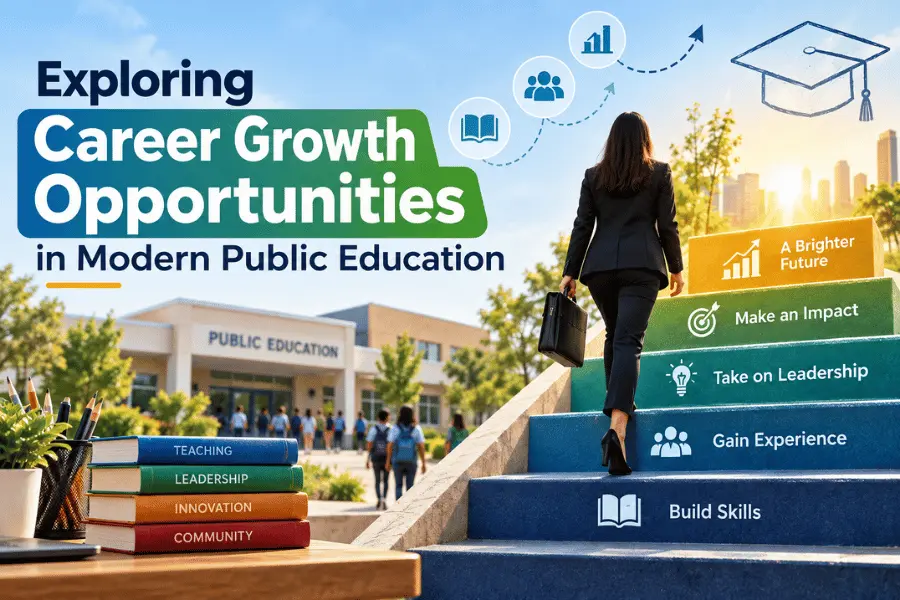
Curriculum developers create lesson frameworks, assessment materials, teaching resources, and learning objectives. Educational researchers examine questions related to student achievement, teaching strategies, school management, and education policy.
Related career paths include:
- Curriculum specialist
- Instructional materials developer
- Educational researcher
- Assessment coordinator
- Academic program consultant
- Education policy analyst
These roles may require advanced qualifications, subject expertise, research experience, or knowledge of curriculum standards.
Teachers can begin preparing for these opportunities by contributing to curriculum reviews, developing classroom resources, participating in education research projects, and learning basic data analysis.
Experience in these areas can help professionals transition from direct classroom instruction into broader roles that influence teaching and learning across multiple schools.
6. Developing Digital and Professional Skills
Qualifications and teaching experience remain important, but modern education careers also require adaptable professional skills.
Digital literacy, communication, collaboration, critical thinking, and data interpretation help educators meet changing workplace expectations.
Teachers increasingly work with digital gradebooks, online assessment tools, virtual classrooms, and student performance data. Using these tools responsibly can improve classroom organization and support better instructional decisions.
Artificial intelligence is another developing area. AI-assisted tools may help educators brainstorm lesson ideas, create practice questions, adapt learning materials, and organize routine tasks. However, teachers must also consider student privacy, accuracy, academic integrity, accessibility, and institutional policies.
To strengthen their professional profiles, education professionals should consider:
- Improving digital literacy through practical online courses.
- Developing communication and leadership skills.
- Learning how to interpret student performance data.
- Understanding accessibility and inclusive teaching practices.
- Creating a professional portfolio of projects and achievements.
- Staying informed about developments in education policy and technology.
These skills can complement formal qualifications and help professionals remain competitive as education systems change.
7. Qualifications and Professional Development
Career advancement in public education often depends on meeting specific qualification requirements. These requirements differ by country, province, school district, and job category.
Classroom teachers may need recognized teaching credentials, while administrative roles may require leadership training or additional degrees. Specialist positions may require separate certification or licensing.
Before investing in a course or qualification, review the eligibility criteria for the positions you want to pursue.
Professional development should be treated as a long-term process rather than a one-time activity. Workshops, accredited courses, mentoring programs, professional associations, and education conferences can help professionals update their knowledge and expand their networks.
It also helps to keep records of completed training, teaching achievements, leadership projects, and relevant certifications. A well-organized professional portfolio can support applications for promotions and new opportunities.
8. Planning Your Career Growth
Career advancement is easier when professionals set clear goals and identify the steps needed to reach them.
Instead of pursuing every available training opportunity, focus on the qualifications and skills most relevant to your desired position.
A practical career growth plan can follow these steps:
Step 1: Identify your career direction. Decide whether you want to advance in classroom teaching, move into administration, specialize in student support, or explore educational technology.
Step 2: Research job requirements. Review job advertisements, official recruitment notices, and professional standards to understand the qualifications and experience employers expect.
Step 3: Assess your current skills. Identify your strengths and determine which qualifications, technical abilities, or leadership experiences you still need.
Step 4: Set measurable goals. Establish realistic targets, such as completing a relevant certification, leading a school project, or building a portfolio within a specific period.
Step 5: Gain practical experience. Apply your new skills through classroom projects, mentoring, committee work, curriculum development, or other relevant responsibilities.
Step 6: Review your progress. Revisit your goals regularly and adjust your plan as opportunities and professional interests evolve.
This structured approach helps education professionals make deliberate career decisions rather than relying entirely on vacancies or promotion opportunities.
9. Overcoming Career Challenges
Although public education offers several career pathways, professionals may face barriers when pursuing advancement.
Limited budgets, competitive recruitment, time constraints, restricted access to professional training, and demanding workloads can make career development difficult.
Educators can respond by prioritizing affordable training, using reputable free learning resources, participating in peer learning groups, and discussing professional goals with experienced colleagues or supervisors.
It is also important to distinguish between qualifications that are genuinely required and optional credentials that may offer limited value for a particular position.
In some education systems, advancement follows formal pay scales, seniority rules, examinations, or government recruitment procedures. In others, leadership experience, specialized skills, and demonstrated performance may carry greater weight.
Understanding your system is therefore essential. A career plan should reflect actual recruitment policies and realistic opportunities rather than general assumptions about promotion.
10. Public Education Careers in Pakistan
For education professionals in Pakistan, career development can involve government school teaching, school leadership, teacher training, curriculum development, education management, and educational technology.
However, recruitment procedures and promotion pathways vary across federal and provincial education departments, school systems, and job categories.
Professionals seeking government teaching or administrative positions should consult the relevant official education department, public service commission, or authorized recruitment portal for current eligibility requirements, vacancies, and selection procedures.
Teachers can also explore professional development opportunities related to digital literacy, classroom assessment, inclusive education, subject specialization, and instructional leadership.
Those interested in educational technology may build practical skills in online teaching, digital content creation, and learning platform management. Meanwhile, experienced educators can explore opportunities in teacher mentoring, academic coordination, education projects, and curriculum-related work that match their qualifications.
Before enrolling in a training program, applicants should verify whether the qualification is recognized by the relevant authority and whether it contributes to eligibility for their intended position.
By combining recognized qualifications with practical experience and continuous learning, education professionals in Pakistan can better prepare themselves for changing career opportunities.
The Future of Career Growth in Public Education
The future of public education will depend on professionals who can combine subject knowledge, effective teaching, digital competence, and a commitment to student development.
Technology may change how lessons are prepared and delivered, but human skills such as empathy, communication, critical thinking, and professional judgment will remain essential.
Education systems will also continue to need capable leaders, curriculum specialists, student support professionals, and teachers who can respond to diverse learning needs.
For career-minded educators, this means that professional growth will increasingly involve a combination of formal qualifications, practical experience, adaptability, and lifelong learning.
Those who understand their strengths, identify relevant opportunities, and invest strategically in their development will be better prepared to navigate the changing education landscape.
Conclusion
Exploring career growth opportunities in modern public education reveals a professional landscape that extends well beyond traditional classroom teaching. Educators can pursue leadership positions, specialize in student support, develop digital learning resources, contribute to curriculum design, or build careers in educational research and administration.
Success requires more than ambition. It requires understanding job requirements, strengthening relevant skills, gaining practical experience, and making informed professional development decisions.
Whether you are an aspiring teacher, an experienced educator, or someone considering a transition into the education sector, a clear career plan can help you identify meaningful opportunities and work toward your long-term goals.
At CareerFieldly.com, we help readers explore career options, build practical skills, and make informed decisions about their professional futures. By staying curious, embracing continuous learning, and adapting to changes in education, you can take meaningful steps toward a rewarding career in modern public education.
FAQs
Here are some common questions about career growth opportunities in public education, including career paths, qualifications, and professional development.
Public education offers a wide range of career opportunities for people who want to support student development, improve educational standards, and build a stable professional future. While classroom teaching remains a popular choice, education professionals can also explore specialized and leadership positions.
Some of the best career growth opportunities in public education include:
- Classroom Teaching: Teachers can specialize in subjects such as mathematics, science, English, computer science, or social studies.
- School Administration: Experienced educators can pursue positions such as academic coordinator, vice principal, principal, or education administrator.
- Educational Technology: Professionals can work with digital learning platforms, educational software, online courses, and classroom technology.
- Curriculum Development: Curriculum specialists design lesson plans, teaching materials, assessment methods, and educational programs.
- Special Education: Qualified professionals support students with disabilities and diverse learning needs through appropriate teaching strategies.
- Teacher Training: Experienced educators can become mentors, instructional coaches, or teacher trainers.
- Educational Research: Qualified individuals can study teaching methods, student performance, and education policies.
The best career path depends on your educational background, professional interests, experience, and your local education system’s requirements. Before choosing a specialization, research the qualifications, responsibilities, and advancement opportunities associated with your preferred role.
Teachers can advance their careers by improving their qualifications, gaining practical experience, developing leadership abilities, and staying informed about changes in education. Career advancement doesn’t always mean leaving the classroom; it can also mean becoming a subject specialist, mentor, academic coordinator, or senior teacher.
Here are several practical ways teachers can improve their career prospects:
- Pursue additional qualifications: Consider relevant degrees, teaching certifications, or specialist courses that meet the requirements of your desired position.
- Participate in professional development: Attend workshops, seminars, training programs, and educational conferences to improve your teaching methods.
- Develop digital skills: Learn to use online learning platforms, digital assessment tools, educational applications, and other relevant classroom technologies.
- Gain leadership experience: Volunteer to coordinate school activities, lead subject departments, mentor new teachers, or participate in school improvement projects.
- Build a professional portfolio: Maintain records of your qualifications, training, teaching resources, achievements, and leadership responsibilities.
- Network with other educators: Connect with experienced teachers, administrators, and professional associations to learn about new opportunities.
- Monitor vacancies and promotion policies: Regularly review official recruitment announcements and promotion criteria relevant to your education system.
Teachers should also set clear career goals and regularly assess their progress. For example, someone who wants to become a school principal might focus on leadership training, administrative experience, and the qualifications required for school management positions.
Yes, educational technology can be a promising career option for people who enjoy education, digital tools, and innovative approaches to learning. As schools and educational institutions increasingly use online platforms, interactive resources, digital assessments, and virtual classrooms, professionals with the right combination of educational and technical skills may find opportunities in this field.
Educational technology careers can include:
- Instructional Designer: Develops structured learning experiences, digital lessons, and educational courses.
- Digital Learning Coordinator: Helps teachers and institutions implement digital learning programs.
- Educational Content Developer: Creates online lessons, presentations, quizzes, videos, and other learning materials.
- Learning Management System Administrator: Supports platforms used to organize courses, track progress, and manage educational content.
- Technology Integration Specialist: Helps educators incorporate appropriate digital tools into classroom instruction.
- Online Educator: Delivers lessons or develops courses for online learning platforms and educational organizations.
To prepare for these roles, aspiring professionals can learn instructional design, digital content creation, basic multimedia production, online assessment methods, and learning management systems.
Teachers can begin by creating digital lesson plans or interactive learning materials for their classrooms. Individuals without teaching experience may benefit from building a portfolio that demonstrates their ability to design clear, accessible, and engaging learning experiences.
However, job requirements vary. Some positions prioritize teaching experience, while others require technical qualifications, instructional design expertise, or previous experience with digital learning platforms. Researching specific job advertisements can help you identify the most valuable skills to develop.
Qualifications for school leadership positions depend on the country, education department, school system, and level of responsibility. Common positions include department head, academic coordinator, vice principal, principal, and district-level education administrator.
Depending on the role and local regulations, employers may require some combination of the following:
- Recognized educational qualifications: A relevant bachelor’s or master’s degree may be required for certain leadership positions.
- Teaching credentials: Applicants may need a recognized teaching qualification or professional certification.
- Relevant work experience: Experience in classroom teaching, academic coordination, or school management can be important.
- Leadership training: Courses in educational leadership, school administration, staff management, or institutional planning may be beneficial or mandatory.
- Administrative skills: School leaders need budgeting, scheduling, communication, conflict resolution, and decision-making abilities.
- Knowledge of education policies: Understanding curriculum standards, student safeguarding, assessment procedures, and institutional regulations is often important.
Teachers who want to move into leadership should begin by reviewing the official eligibility criteria for their desired position. They can also gain practical experience by leading school projects, mentoring colleagues, coordinating academic activities, or serving on institutional committees.
Remember that additional qualifications do not automatically guarantee promotion. Some public education systems use formal examinations, seniority rules, departmental assessments, or specific recruitment procedures. Always verify the current requirements before investing in a particular qualification or training program.
Teachers in Pakistan can explore career opportunities through federal and provincial education departments, public service commissions, authorized recruitment portals, and official institutional announcements. Opportunities may include teaching in government schools, subject specialist roles, school administration, teacher training, curriculum development, and education-related projects.
The recruitment process and eligibility requirements vary by province, department, position, and recruitment cycle.
Teachers and aspiring educators can use the following steps to search for suitable opportunities:
- Check official education department websites: Review announcements from the relevant federal or provincial education department.
- Monitor public service commissions: Check the relevant commission for advertised teaching, administrative, and specialist positions.
- Review eligibility criteria carefully: Confirm the required degree, subject specialization, professional qualifications, age limits, experience, and domicile requirements where applicable.
- Prepare your documents: Keep your educational certificates, transcripts, identification documents, experience letters, and other required records organized.
- Prepare for selection procedures: Depending on the vacancy, applicants may need to complete written tests, interviews, demonstrations, or other assessments.
- Develop relevant professional skills: Improve classroom management, digital literacy, subject knowledge, communication, and instructional methods.
- Verify recruitment announcements: Use authorized sources to confirm application deadlines, fees, eligibility rules, and submission procedures.
Teachers should also distinguish between permanent government positions, contract appointments, project-based roles, and opportunities offered by private educational organizations.
Because recruitment rules and vacancies change over time, applicants should rely on current official advertisements rather than outdated social media posts or unverified job listings. They should also confirm whether a qualification is recognized by the relevant authority before enrolling in a course intended to improve their employment prospects.
Professional development is important because education is continually evolving. New teaching methods, digital tools, curriculum standards, assessment approaches, and student support practices require educators to update their knowledge and skills throughout their careers.
Continuous learning can improve classroom performance, prepare teachers for additional responsibilities, and help them respond more effectively to students’ needs.
The main benefits of professional development include:
- Improved teaching effectiveness: Teachers can learn new instructional techniques, classroom management strategies, and assessment methods.
- Better use of technology: Training helps educators integrate appropriate digital tools into lessons and learning activities.
- Stronger career prospects: Relevant professional development may help teachers prepare for specialist, mentoring, coordination, or leadership roles.
- Greater confidence: Learning new skills can help educators address classroom challenges and adapt to changing expectations.
- Inclusive teaching practices: Training can help teachers better support students with different abilities, backgrounds, and learning requirements.
- Professional networking: Workshops and education conferences provide opportunities to exchange ideas and learn from experienced colleagues.
- Continuous improvement: Reflecting on teaching practices helps educators identify weaknesses and develop more effective approaches.
Educators can pursue professional development through accredited courses, workshops, mentoring programs, online learning, professional associations, and collaborative school projects.
To get the greatest benefit, teachers should select training that aligns with their career goals and workplace needs. For example, an educator interested in school administration might prioritize leadership and management training, while a teacher interested in digital learning could focus on instructional design and educational technology.
Modern education professionals need a combination of subject knowledge, teaching expertise, interpersonal abilities, and digital competence. The importance of individual skills varies by position, but several areas support career development across the education sector.
Important skills include:
- Communication: Explaining concepts clearly and communicating effectively with students, parents, colleagues, and administrators.
- Classroom management: Creating a productive learning environment and addressing behavioral challenges constructively.
- Digital literacy: Using educational software, online learning platforms, digital assessment tools, and technology responsibly.
- Leadership: Motivating colleagues, coordinating projects, resolving problems, and supporting institutional goals.
- Critical thinking: Evaluating information, identifying learning challenges, and making informed decisions.
- Adaptability: Responding to curriculum changes, new technologies, and diverse student needs.
- Collaboration: Working with other educators, families, school leaders, and student support professionals.
- Data interpretation: Understanding assessment results and using relevant evidence to improve teaching and learning.
Educators can strengthen these skills through practical classroom experience, professional training, peer collaboration, and leadership assignments. Keeping a record of projects and achievements can also help demonstrate these abilities when applying for new positions.
Yes, teachers can transition into other education-related careers without abandoning their experience or professional knowledge. Teaching develops transferable skills such as communication, planning, organization, problem-solving, presentation, and the ability to explain complex information clearly.
Depending on their qualifications and interests, teachers may explore roles such as:
- Curriculum and instructional materials development
- Educational technology and digital learning
- Teacher training and professional development
- Academic coordination and school administration
- Education research and program evaluation
- Educational publishing and content writing
- Learning and development
- Education project coordination
For example, a teacher who enjoys creating lesson plans might explore curriculum development or instructional design. Someone who prefers organizing programs and supporting colleagues may be better suited to academic coordination or teacher training.
Before transitioning, identify the skills that transfer directly to the new role and determine whether you need additional training or certification.
Creating a portfolio of lesson plans, digital resources, training materials, research projects, or other relevant work can help demonstrate your abilities to potential employers. It is also useful to review job descriptions to understand the experience and technical skills required for each position
Although public education offers different career pathways, educators may face challenges such as limited training budgets, demanding workloads, competitive recruitment, restricted vacancies, and unclear promotion requirements.
Some professionals may also struggle to balance additional study with classroom responsibilities or family commitments.
Common challenges and practical responses include:
- Limited time: Set realistic learning goals and consider flexible courses that fit your schedule.
- Training costs: Look for reputable free resources, scholarships, employer-supported training, and affordable programs.
- Competitive recruitment: Strengthen your qualifications, practical experience, application documents, and interview skills.
- Limited promotion opportunities: Explore specialist roles, mentoring, curriculum development, or other relevant career pathways.
- Unclear eligibility rules: Consult official recruitment notices and relevant education authorities before applying.
- Changing professional expectations: Stay informed about developments in teaching, technology, and education policy.
Also evaluate training opportunities carefully. A course may provide useful knowledge but may not be officially recognized for promotion or professional licensing.
Educators should therefore focus on opportunities that match their long-term goals, available resources, and the actual requirements of their preferred positions.
The future of public education is likely to involve continued changes in digital learning, inclusive education, student support, curriculum development, and school leadership. These developments may create new responsibilities and opportunities for professionals who combine educational expertise with adaptable skills.
Potential areas of professional growth include:
- Educational technology: Supporting digital classrooms, online learning platforms, and technology-enhanced instruction.
- Inclusive education: Helping schools provide appropriate learning opportunities for students with diverse needs.
- Educational leadership: Improving school management, teacher development, academic planning, and institutional performance.
- Curriculum development: Designing learning materials that reflect educational standards and evolving student needs.
- Teacher training: Helping educators improve instructional methods and adapt to new teaching approaches.
- Education research and evaluation: Using evidence to understand student outcomes and assess educational programs.
Artificial intelligence may also influence lesson preparation, learning materials, and assessment practices. However, responsible implementation will require educators to consider accuracy, privacy, accessibility, academic integrity, and the role of human judgment.
The future will not look the same across all regions or institutions. Career opportunities will depend on education policies, available funding, local recruitment practices, and employers’ required qualifications.
Educators who remain committed to learning, develop relevant professional skills, and understand the changing needs of their education systems will be better positioned to pursue suitable opportunities.
Career growth in modern public education involves more than gaining experience or waiting for a promotion. It requires educators to identify their strengths, understand the requirements of their desired roles, and develop the skills needed to meet changing professional expectations.
Whether you want to become a school leader, specialize in student support, work with educational technology, or contribute to curriculum development, a clear career plan can help you take practical steps toward your goals.
By combining ongoing learning with relevant qualifications and hands-on experience, education professionals can explore meaningful career opportunities while helping create better learning experiences for students and stronger public education systems.






- Be Respectful
- Stay Relevant
- Stay Positive
- True Feedback
- Encourage Discussion
- Avoid Spamming
- No Fake News
- Don't Copy-Paste
- No Personal Attacks
- Be Respectful
- Stay Relevant
- Stay Positive
- True Feedback
- Encourage Discussion
- Avoid Spamming
- No Fake News
- Don't Copy-Paste
- No Personal Attacks
